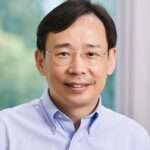
 Prof. Eui-Cheol Shin Prof. Eui-Cheol Shin
Professor in Graduate School of Medical Science and Engineering
KAIST
South Korea |
Title:
CD8+ T cell differentiation and its clinical significance after COVID-19 mRNA vaccination
Abstract:
During the COVID-19 pandemic, mRNA-based SARS-CoV-2 vaccines were developed and clinically used at an unprecedented pace as an urgent response to the pandemic. Even though COVID-19 vaccination has been performed in large populations in many countries, new variants of concern (VOCs) and subvariants have been emerging continuously. Although antibodies elicited by vaccination exhibit significantly reduced neutralizing activities against new VOCs, vaccine-induced memory T cells substantially respond to VOCs (Jung MK et al. Nat Microbiol 7:909, 2022 and Noh JY et al. Nat Rev Immunol 21:687, 2021). During the pandemic, my lab demonstrated that SARS-CoV-2 infection or mRNA vaccination successfully generates CD8+ stem cell-like memory T (TSCM) cells which have the capacity for self-renewal and multipotency to repopulate the broad spectrum of memory and effector T cell subsets (Jung JH et al. Nat Commun 12:4043, 2021). Additionally, my lab also showed that mRNA vaccine-induced TSCM cell generation significantly correlates with the longevity of CD8+ memory T cell responses (Jung S et al. Cell Rep 40:111138, 2022). Furthermore, my lab examined effect of multiple mRNA vaccinations on CD8+ T cell differentiation and found that memory CD8+ T cells progressively gained a senescent-like TEMRA cell phenotype after repeated mRNA vaccinations although the frequency and cytokine-producing effector functions of memory CD8+ T cells were boosted. In this lecture, I will give a talk about CD8+ T cell differentiation to TSCM or TEMRA and its clinical implication in the context of COVID-19 mRNA vaccinations.
Biography:
Dr. Eui-Cheol Shin is a Professor at Graduate School of Medical Science and Engineering, Korea Advanced Institute of Science and Technology (KAIST), Daejeon, Republic of Korea. His lab investigates T cell responses in human viral disease and cancer with a focus on CD8+ T cells. In particular, his lab studies cytokine-mediated, TCR-independent activation of CD8+ T cells that contribute to host cell injury. A series of his studies has revived the research of bystander T cell activation in microbial infections as a cause of immunopathologic host injury (Nat Immunol 2022, 23:13).
During the COVID-19 pandemic, his lab has also contributed to the understanding of human immune responses to SARS-CoV-2 infection and vaccination. Particularly, his lab revealed the successful generation of stem cell-like memory T cells after SARS-CoV-2 natural infection or vaccination, the preserved functionality of vaccine-induced memory T cells against SARS-CoV-2 variants, and the evolution of human T cell responses following breakthrough infections with new variants. Through these studies, his lab proposed immunological strategies for the control of the pandemic (Nat Rev Immunol 2020, 20:585; and Nat Rev Immunol 2021, 21:687).
He received M.D. (1996) and Ph.D. (2001) from Yonsei University College of Medicine, Seoul, Republic of Korea, and was trained as a postdoctoral fellow at NIDDK, National Institutes of Health, Bethesda, Maryland, USA (2002 – 2007). Then he joined Graduate School of Medical Science and Engineering, KAIST in 2007, where he is currently a Professor. During the COVID-19 pandemic, he served as the director of the Center for Viral Immunology, Korea Virus Research Institute, Institute for Basic Science (IBS), Daejeon, Republic of Korea (2021 – 2024). He was elected the Fellow of the Korea Academy of Science and Technology (2019) and the Fellow of the National Academy of Medicine of Korea (2024).
|