Your basket is currently empty!

Early immunogenicity prediction for better biologic design
Julia Rozenfeld
Teva Pharmaceuticals
Immunogenicity remains one of the major uncertainties in biologic development, and once an antibody enters the clinic, opportunities to mitigate an immunogenicity issue are extremely limited. For this reason, we focus our assessment of predictive immunogenicity to the early stages of discovery. At Teva, we routinely screen large panels of antibody sequences to identify potential T-cell epitope liabilities and engineer them out before selecting a lead. This strategy enables rapid elimination of high-risk sequences and ensures that antibodies with no predicted T-cell epitopes advance. This design-first approach has had a meaningful downstream impact: our clinical-stage antibodies consistently demonstrate low ADA rates (<2–5%) and stable pharmacokinetics, underscoring that thoughtful early engineering can prevent costly surprises later. In summary, predictive immunogenicity assessment and upfront design optimization provide each molecule with a stronger chance of clinical success.
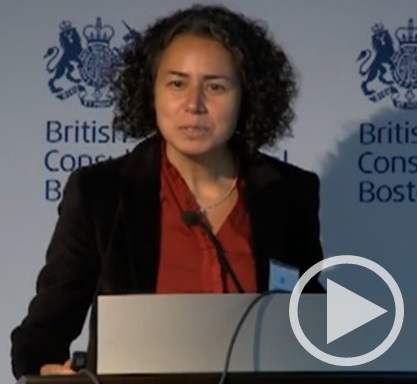
Julia Rozenfeld is Associate Director of Biologics at Teva Pharmaceuticals, where she leads antibody discovery and engineering programs with a strong focus on sequence optimization and developability. With over 20 years of experience in molecular biology and immunology, her work spans antibody discovery by phage display and B cell cloning, engineering of monospecific and bispecific antibodies, and optimization to address immunogenicity, stability, and manufacturability liabilities.
Julia Rozenfeld is Associate Director of Biologics at Teva Pharmaceuticals, where she leads antibody discovery and engineering programs with a strong focus on sequence optimization and developability. With over 20 years of experience in molecular biology and immunology, her work spans antibody discovery by phage display and B cell cloning, engineering of monospecific and bispecific antibodies, and optimization to address immunogenicity, stability, and manufacturability liabilities.